稻
Oryza sativa
植物簡介
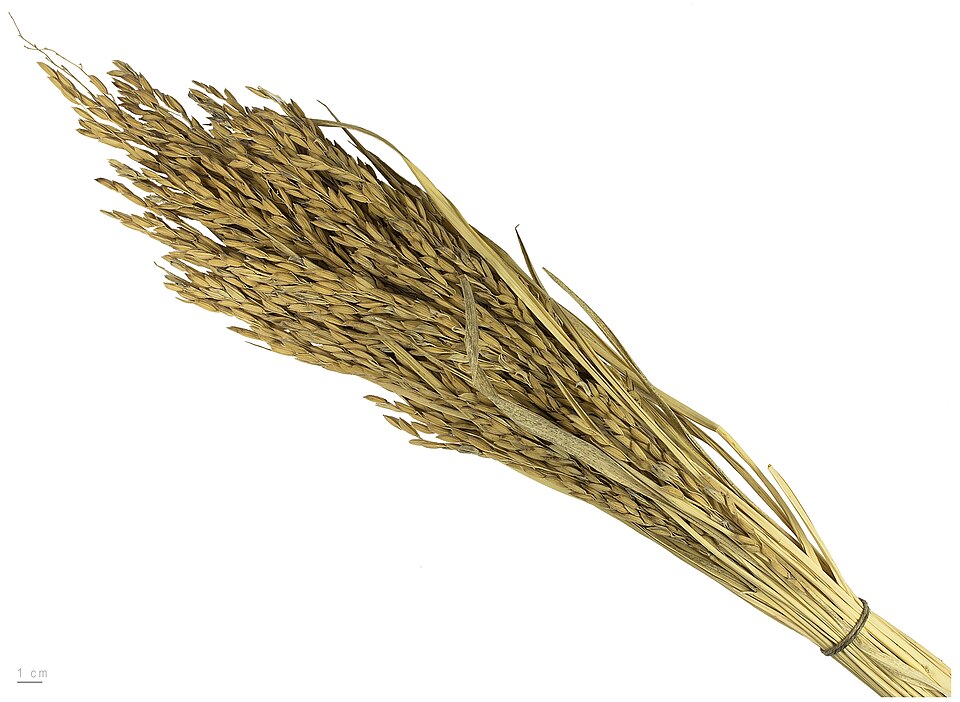
稻(Oryza sativa)是一種一年生水生叢生草本植物,高達0.5–2.0公尺。葉片兩面光滑或背面略粗糙。葉片綠色、帶狀、直立但尖端下垂,長24–60公分、寬0.6–2.2公分。葉緣粗糙,有短硬毛。葉鞘基部緊捲,形成假莖。耳片(草本植物葉鞘頂部的耳狀或三角形側向延伸)很少缺席,很小(長1–5公釐、寬0.5–1公釐),狹長形或鐮刀形,易脫落且有毛。舌片(葉鞘頂部的突起)存在,很小(長10–36公釐、寬2.5–8公釐),三角形或卵形。葉片交互排列成兩列。花序為淡綠至黃色、懸垂的圓錐花序,具有小穗。每個小穗含有一個可育小花,由高度退化的花瓣和萼片、六個下垂的花藥和兩個羽狀柱頭組成。穎片高度退化。可育穎(包圍草本小花的兩個苞片)存在,並覆蓋著玻璃狀毛。無性穎(殘餘的高度退化苞片)位於單一小花的基部。果實為黃白色至黑褐色的穀粒(一種乾燥、不裂的果實,俗稱穀物)。
屬描述
N/A
生長條件
全日照
—
濕潤
全台平地適種
H1b|最低耐溫 10-15°C
0.5 m to 2 m
冠幅 —
照顧指南
最適宜在全日照下,部分浸沒在水中的肥沃黏土或淤泥黏土中生長。淹水土壤的最佳pH範圍為6.5至7.0。它可經由種子繁殖,從種植到收穫需100-150天。
Pruning group 1 (Light pruning (default)) — 基於植物形態自動推斷,非 RHS 官方分類。 依植物形態預設為輕度修剪,移除枯枝病枝即可。 熱帶環境下無明顯休眠期,全年皆可進行修剪。
種子
嚼食性昆蟲 N/A
適合場景
學名異名
- Oryza communissima Lour.
- Oryza glutinosa Lour.
- Oryza ruribaris (Desv.) Steud.
延伸閱讀

五月花園必做任務
五月啊,根本就是花園主的過山車季節!氣溫從15到25度,不冷不熱剛剛好,你知道嗎?這時候不趕快行動,到了六月就會後悔。向日葵、波斯菊這些夏季的明星植物,現在播種才能享受到滿滿的夏日花海。如果你想直接播種,別偷懶,記得先用水浸12小時,讓種子...
芳香草本的園藝設計
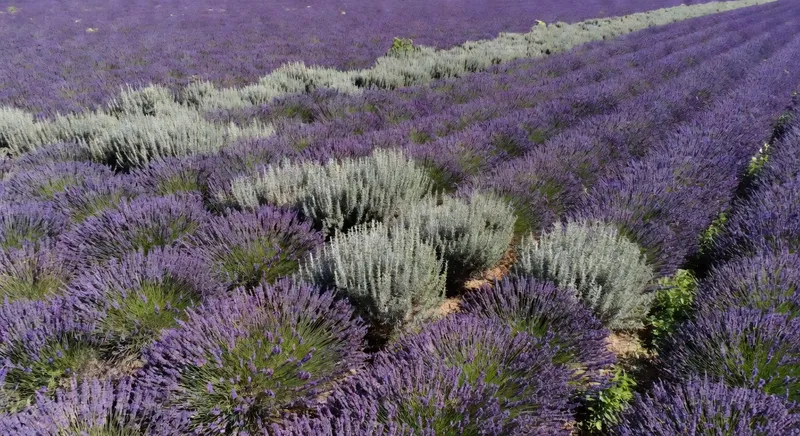
薰衣草輕輕搖曳,那銀灰色的葉片在晨光中泛起柔和的磨砂質感。各位可曾留意,這些纖細的葉表並非單純的灰白,而是蘊含著一種沉靜的靈性。株高三十至六十公分,紫色的花穗如同音樂的五線譜,等待著蜜蜂與風的協奏。香氣在光影流動中層層釋放,不急不徐。迷迭香...
宿根花卉的色彩層次規劃
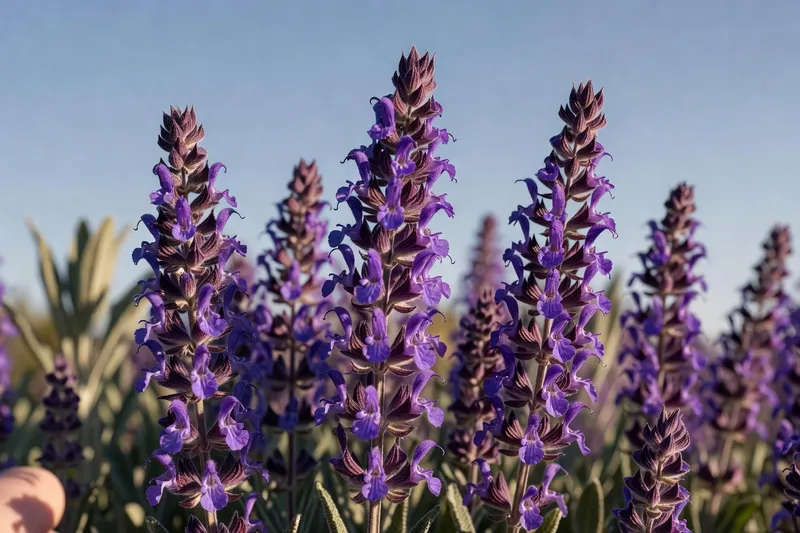
各位花園的設計者,當紫色的鼠尾草深深怒放,那四十到六十公分的花穗如一場持久的沉吟,而黃色月見草在晨光中綻開時,她們便成了花壇上最激烈的對比。紫色在園藝中代表著靜謐與深邃,而黃色則象徵著能量與溫暖,兩者的碰撞激發出視覺的活力。鼠尾草用六到八週...