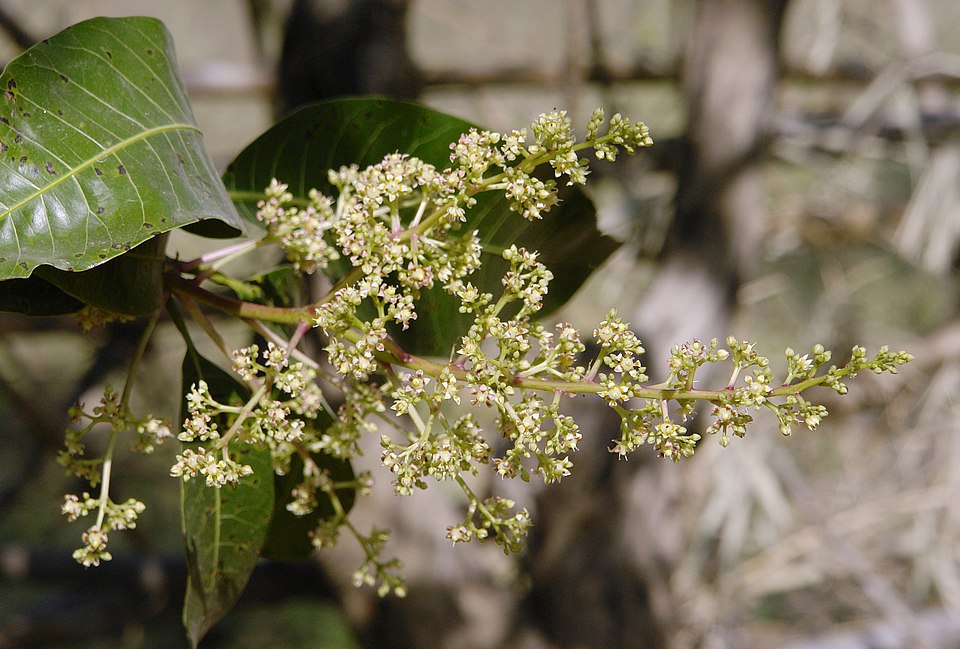
芒果
Mangifera indica


植物簡介
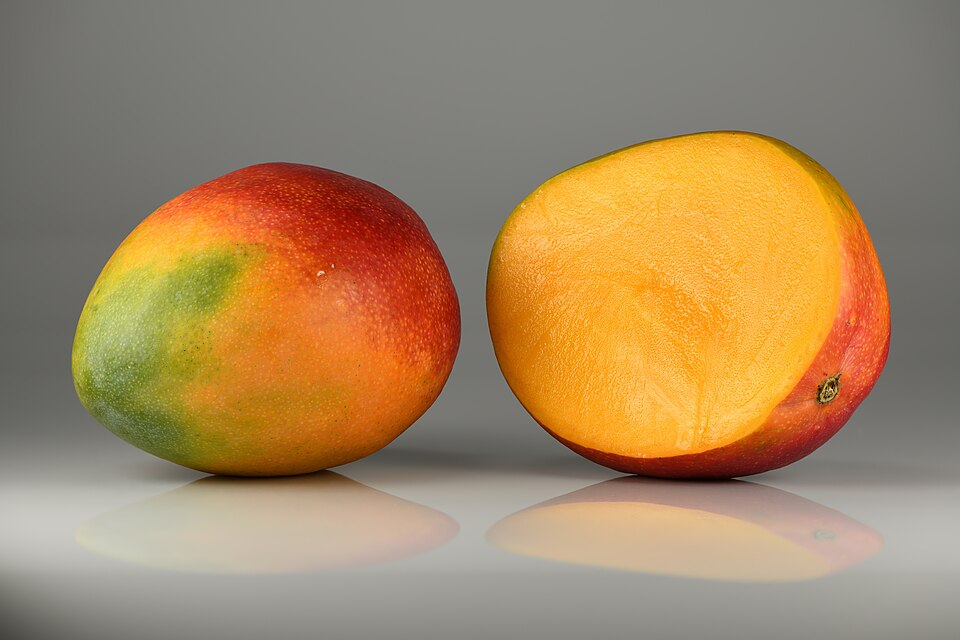
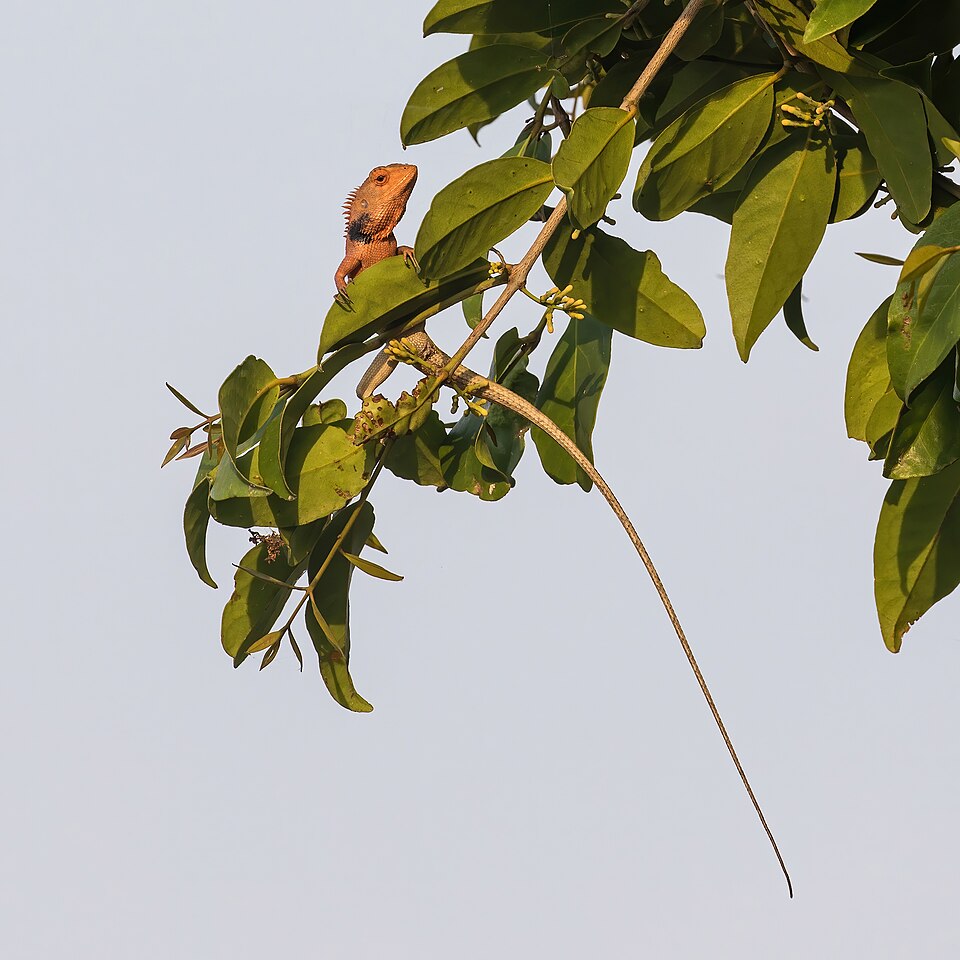
A medium to large sized tree with a dense, rounded crown with rather distinctive drooping elliptic to lanceolate leaves. It is still relatively common in parks, open spaces and community gardens in Singapore. The leaves are simple, deep green, up to 30cm long and 7 cm wide, oblong-elliptic to lanceolate in shape, with entire and slightly undulate margins. The midrib is yellow and quite visible, and the leaves also tend to droop downwards slightly. Young flushes are coppery red to bronze in colour. Individual flowers are tiny, yellow to pinkish white, but borne on large, showy panicles with red peduncles, and are considered fragrant. Uneven flowering within the same tree has been reported in some cultivated varieties (or cultivars) of mango including the ‘Sensation’ cultivar (Oosthuyse & Jacobs 1996, Reece et al. 1946, Lin & Chen 1981). It is uncertain why uneven flowering occurs. Oosthuyse & Jacobs (1997) found that flowering can be synchronized in ‘Sensation’ trees by pruning the inflorescences. It is possible that the inflorescence may produce hormones that signal other parts of the tree not to flower. Removing the inflorescence may eliminate the source of inhibitory signals, allowing all parts of the tree to flower. Uneven flowering is a beneficial trait in terms of promoting survival of the mango species and results in flowers being available for a longer period of time thus increasing the likelihood of successful pollination. It also prevents unfavourable weather conditions from destroying the entire crop, because dry weather is required for optimal fruit production. The most famous part of this tree, the fruit is a large drupe, up to 20cm long, ovoid-oblong in shape, with green, yellow or red skin often slightly glaucous. It hangs from the branches on long stalks. The flesh when ripe is yellow, juicy and very fragrant. They are relished by humans and animals, including bats, birds, monkeys etc.
生長條件
全日照
壤土
濕潤排水良好
全台平地適種
H1a|熱帶植物
35 公尺
冠幅 —
照顧指南
Requires full sun, rich, well-drained soil, and moderate watering. Requires fertilizing with high potassium and phosphate fertilizers if good fruiting is desired. Propagation is by seeds, grafting or budding.
Pruning group 1 (Light pruning) — 基於植物形態自動推斷,非 RHS 官方分類。 大型喬木,僅需移除枯枝、病枝、交叉枝及方向不當的枝條。 熱帶環境下無明顯休眠期,全年皆可進行修剪。
Seed, Stem Cutting, Grafting, Marcotting, Air-Layering
適合場景
延伸閱讀

南洋風情花園:一場熱帶光影的夢遊
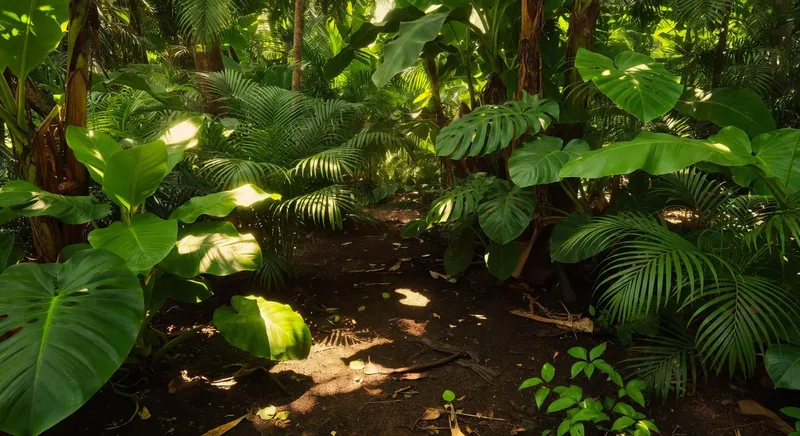
菠蘿蜜樹(Jackfruit)是南洋風情花園的靈魂植物。原生於馬來西亞,成熟時可高達12公尺,樹冠闊大、濃蔭如蓋。最令人驚嘆的是它結出的世界上最大樹生果實,單顆可重達34公斤。巨大的金黃果實懸掛在樹幹上,質感粗粝、紋理深刻,在陽光下散發古銅色光芒。葉片沙沙聲響,果實在光影中搖晃,既雄渾又溫柔。
植物修剪入門:為什麼要修剪、需要什麼工具?
修剪是園藝中最基本也最重要的技能之一。許多觀賞灌木和喬木其實可以自由生長,不一定需要經常修剪,但偶爾你可能需要控制植株大小、移除枯死或不美觀的枝條、增加植株活力、改善株型,或維持健康的狀態以促進開花和結果。

RHS 修剪分組系統:13 組分類讓你精準掌握修剪時機
英國皇家園藝學會(RHS)將灌木、喬木和攀緣植物的修剪需求歸納為 13 個基本組別,外加玫瑰專屬的 8 個分組。每一種植物都對應到特定的修剪組別,只要知道你的植物屬於哪一組,就能掌握正確的修剪時機和方法。以下是各組的完整說明。