跳至主要內容

喀亞木

Khaya senegalensis
科:Meliaceae·屬:Khaya·別名:非洲楝、Senegal Mahogany
喀亞木 1

植物簡介

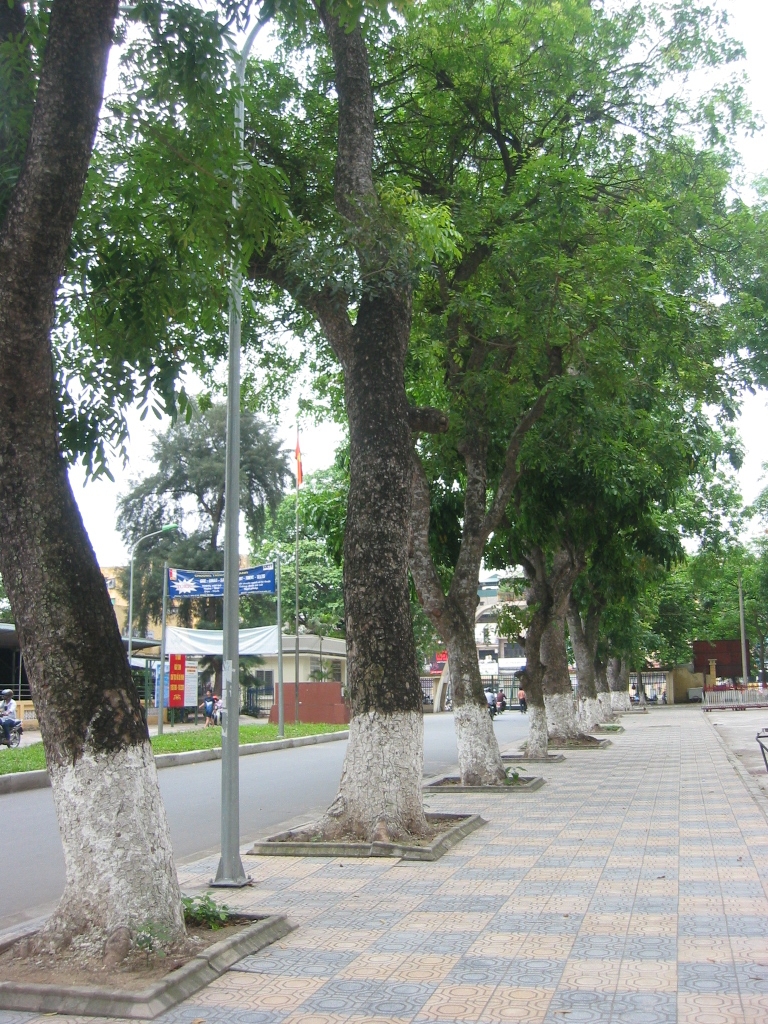
A very large and tall tree, semi-deciduous. The crown is large, rounded, bushy and dark green. The trunk is robust, straight and cylindrical, with buttresses. The bark is dark grey with small, thin flakes or scales. The colour of the scales varies from red, dark pink to bright red and exudes a red sap. Its natural habitat is riverine forests and savannah woodlands in tropical Africa. It can also be found at higher elevations in moister areas. Propagation: Propagated from seeds and root suckers. Seeds should be mechanically scarified before sowing. Seedlings can survive if light to moderate shade conditions are given.This tree is a very hardy and fast growing tree. It survives will in moist soil conditions, and has a high transplanting survival rate. It is also highly resistant to flooding, fairly shade tolerant, and adaptable to a wide variety of soil conditions. Ethnobotanical Uses (Food): Oil extracted from the seeds can be used for cooking in West Africa. Ethnobotanical Uses (Medicinal): In West Africa, the very bitter bark is often used as a fever remedy. The bark can be used as a vermifuge or taenicide to treat syphilis. Extracts of the bark hare also used to treat scorpion bites, allergies, gum infections, to disinfect bleeding wounds, and as a laxative. Ethnobotanical Uses (Other): The wood is highly appreciated for its attractive grain and its rich reddish mahogany brown colour. It is used for furniture and cabinetry, flooring, construction and boat building. The bark contains components of tannin and is sometimes used for tanning leather. The leaf arrangement is alternate; the leaves themselves are odd- or even-pinnate compound, around 50 - 70cm long, with 3 - 7 pairs of leaflets on each leaf. The leaflets are oblong to elliptical, dark green and glossy on the upper side, and light green on the underside. Leaflets are 8 - 17cm long, - 7cm wide. The flowers are very small (less than 1cm wide), borne in clusters, and are pale white in colour. Each flower has 5 small petals. This tree flowers irregularly in Singapore, possibly because flowering is triggered by the onset of the rainy season in its native habitat, but there is no distinct rainy season in Singapore. Fruit set therefore also is rather sporadic. Flowers are pollinated by insects. Fruits are woody capsules which split open with 3 or 4 valves. Each fruit contains numerous seeds with brown wings at two ends, horizontally arranged. The fruit colour changes from grey to black when it ripens and begins to bear seeds once the tree reaches 20 to 25 years old. Seeds are dispersed by wind and may travel up to 100m from the parent tree.

生長條件

日照

全日照

土壤

濕潤排水良好

適合氣候

南部適種

H1a|熱帶植物

尺寸

30 公尺

冠幅 —

照顧指南

栽培方式

A very large and tall tree, semi-deciduous. The crown is large, rounded, bushy and dark green. The trunk is robust, straight and cylindrical, with buttresses. The bark is dark grey with small, thin flakes or scales. The colour of the scales varies from red, dark pink to bright red and exudes a red sap. Its natural habitat is riverine forests and savannah woodlands in tropical Africa. It can also be found at higher elevations in moister areas. Propagation: Propagated from seeds and root suckers. Seeds should be mechanically scarified before sowing. Seedlings can survive if light to moderate shade conditions are given.This tree is a very hardy and fast growing tree. It survives will in moist soil conditions, and has a high transplanting survival rate. It is also highly resistant to flooding, fairly shade tolerant, and adaptable to a wide variety of soil conditions. Ethnobotanical Uses (Food): Oil extracted from the seeds can be used for cooking in West Africa. Ethnobotanical Uses (Medicinal): In West Africa, the very bitter bark is often used as a fever remedy. The bark can be used as a vermifuge or taenicide to treat syphilis. Extracts of the bark hare also used to treat scorpion bites, allergies, gum infections, to disinfect bleeding wounds, and as a laxative. Ethnobotanical Uses (Other): The wood is highly appreciated for its attractive grain and its rich reddish mahogany brown colour. It is used for furniture and cabinetry, flooring, construction and boat building. The bark contains components of tannin and is sometimes used for tanning leather.

修剪建議

Pruning group 1 (Light pruning) — 基於植物形態自動推斷,非 RHS 官方分類。 大型喬木,僅需移除枯枝、病枝、交叉枝及方向不當的枝條。 熱帶環境下無明顯休眠期,全年皆可進行修剪。

適合場景

戶外地植