腰豆樹
Anacardium occidentale
植物簡介
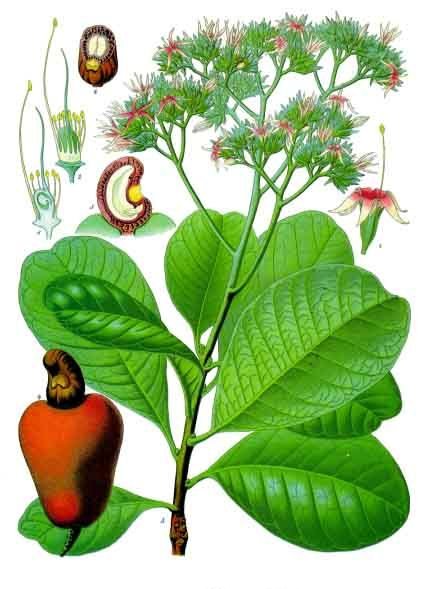
Up to 12m tall in height, this evergreen tree has a wide dome shaped crown and its foliage forms a thin peripheral canopy with protruding inflorescences (a flower cluster). Leaves simple and alternate. Flowers are in terminal panicles, about 10 – 20 cm long, male or female, green and reddish colour and are pollinated by honey bees, flies and possibly ants. Cross and self pollination occurs. Produced two fruits, the cashew apple and cashew nut. However, the cashew nut is the true fruit whereas the cashew apple is actually the swollen fruit stalk. Stem will ooze out a clear gum when injured. Anacardium occidentale can withstand dry condition provided that its extensive root systems has access to soil moisture. If planted at a dry area, a deep, well drained and penetrate-able soil is needed. Propagate by seed or grafting. Germination will start three weeks after sowing. Branches will soon emerge from the seedling stem and pruning will be required to attain a trunk height of 0.5-1.5 m. This juvenile period lasts for 3 to 4 years. Lower limbs (the lowest branches of the tree may reach 6 m or more in length and might be torn off during a storm.The new leaves grows in flushes and a major flush will follows the onset of the rainy season and within 3 – 4 months, an inflorescence will start to appear on many shoots. After 5 weeks, anthesis of the first flower occurs and over the next 5 – 6 weeks, further flowers (up to 1100) open up. Fruits will take two months to develop. It may have two flowering seasons when two distinct dry seasons occurs.Nut is usually roasted with oil before consuming. Cashew apple can be eaten fresh, mixed in fruit salad, and prepared a drink from the juice. Cashew wine, slightly fermented juice,can be distilled to produce strong alcoholic drinks.When doing weeding, cleaning the area within 1 m of the trunk and slashing out the remainder is important until the tree shade out most of the weeds.Anthracnose ( Colletorichum gloeosporioides ) attacks young shoots and flowers, under hot and humid condition, which dry up and are shed. Necrosis and shedding are the effects of the infection of fruits. It can only be controlled by removing and burning of infected parts.In cashew-growing areas, powdery mildew (white fungus growth) is common. Affected parts will be covered with white fungal growth and leaves may shrivel, dry up and be shed. Loss of flowers might occur as well. Sulphur will control the disease. Other fungi (damping off, wilts) have been recorded. Also, other local pests, e.g. wood borers, stem girdlers or sucking pests such as trip, may be destructive.
生長條件
全日照
排水良好
濕潤排水良好
南部適種
H1a|熱帶植物
12 公尺
冠幅 —
照顧指南
Up to 12m tall in height, this evergreen tree has a wide dome shaped crown and its foliage forms a thin peripheral canopy with protruding inflorescences (a flower cluster). Leaves simple and alternate. Flowers are in terminal panicles, about 10 – 20 cm long, male or female, green and reddish colour and are pollinated by honey bees, flies and possibly ants. Cross and self pollination occurs. Produced two fruits, the cashew apple and cashew nut. However, the cashew nut is the true fruit whereas the cashew apple is actually the swollen fruit stalk. Stem will ooze out a clear gum when injured. Anacardium occidentale can withstand dry condition provided that its extensive root systems has access to soil moisture. If planted at a dry area, a deep, well drained and penetrate-able soil is needed. Propagate by seed or grafting. Germination will start three weeks after sowing. Branches will soon emerge from the seedling stem and pruning will be required to attain a trunk height of 0.5-1.5 m. This juvenile period lasts for 3 to 4 years. Lower limbs (the lowest branches of the tree may reach 6 m or more in length and might be torn off during a storm.The new leaves grows in flushes and a major flush will follows the onset of the rainy season and within 3 – 4 months, an inflorescence will start to appear on many shoots. After 5 weeks, anthesis of the first flower occurs and over the next 5 – 6 weeks, further flowers (up to 1100) open up. Fruits will take two months to develop. It may have two flowering seasons when two distinct dry seasons occurs.Nut is usually roasted with oil before consuming. Cashew apple can be eaten fresh, mixed in fruit salad, and prepared a drink from the juice. Cashew wine, slightly fermented juice,can be distilled to produce strong alcoholic drinks.When doing weeding, cleaning the area within 1 m of the trunk and slashing out the remainder is important until the tree shade out most of the weeds.Anthracnose ( Colletorichum gloeosporioides ) attacks young shoots and flowers, under hot and humid condition, which dry up and are shed. Necrosis and shedding are the effects of the infection of fruits. It can only be controlled by removing and burning of infected parts.In cashew-growing areas, powdery mildew (white fungus growth) is common. Affected parts will be covered with white fungal growth and leaves may shrivel, dry up and be shed. Loss of flowers might occur as well. Sulphur will control the disease. Other fungi (damping off, wilts) have been recorded. Also, other local pests, e.g. wood borers, stem girdlers or sucking pests such as trip, may be destructive.
Pruning group 1 (Light pruning) — 基於植物形態自動推斷,非 RHS 官方分類。 大型喬木,僅需移除枯枝、病枝、交叉枝及方向不當的枝條。 熱帶環境下無明顯休眠期,全年皆可進行修剪。
Seed, Grafting
適合場景
延伸閱讀
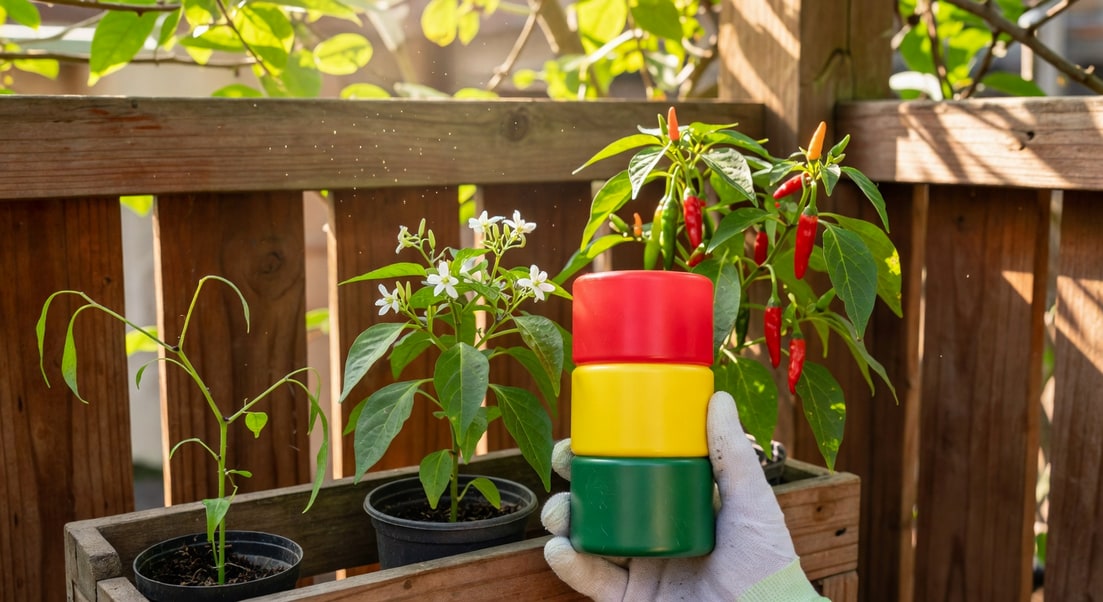
春夏交替時,為什麼整年用同一支肥料就是養不好?
清明剛過,我巡視陽台時發現一個熟悉的場景:去年春天種下的辣椒苗,葉片肥厚墨綠,高度過了 60 公分,卻只開了寥寥幾朵花,更別說結果。檢視盆中介質,最近半年我每兩週用同一支均衡液肥(20-20-20)灌一次,看似規律,實則是把它養成「葉茂果少」的徒長標本。
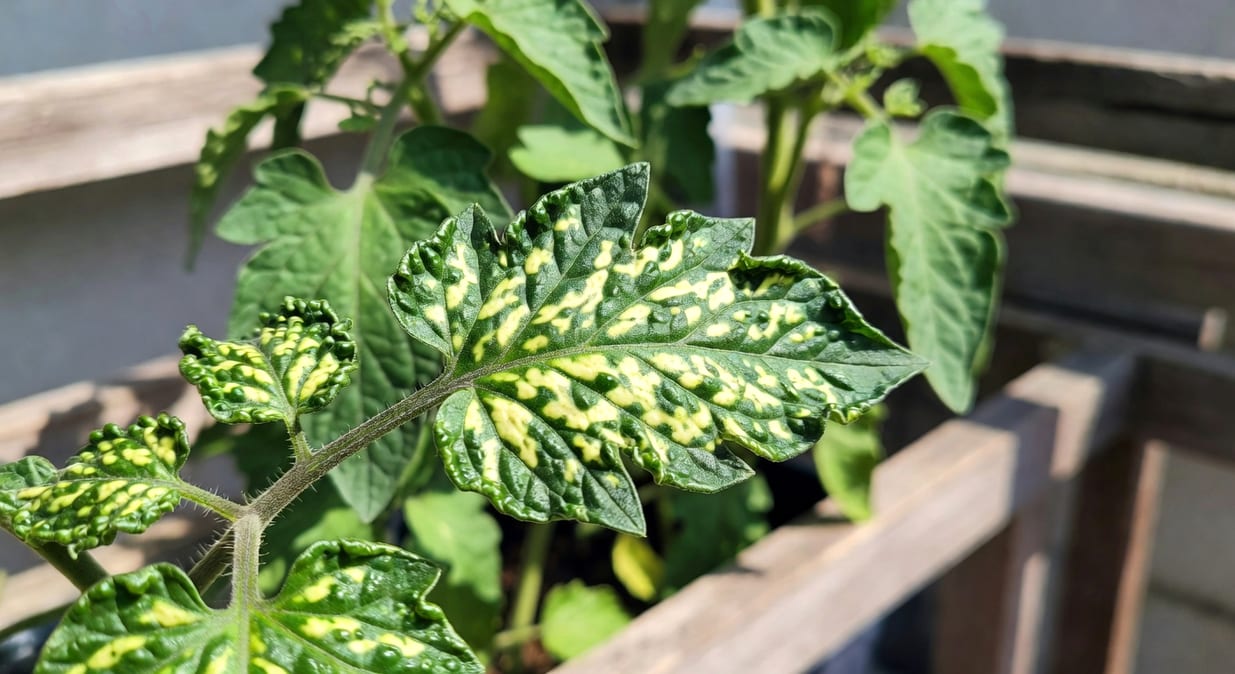
茄科作物葉片出現馬賽克斑紋怎麼辦?煙草花葉病毒(TMV)辨識與隔離指南
去年夏天接到一位讀者求救:他的陽台番茄整株葉片出現深綠與黃色交錯的「馬賽克」斑紋,新葉皺縮起泡、植株生長停滯。他試過噴銅劑、噴蘇力菌、剪除病葉,全部無效,問我是不是用藥不夠重。
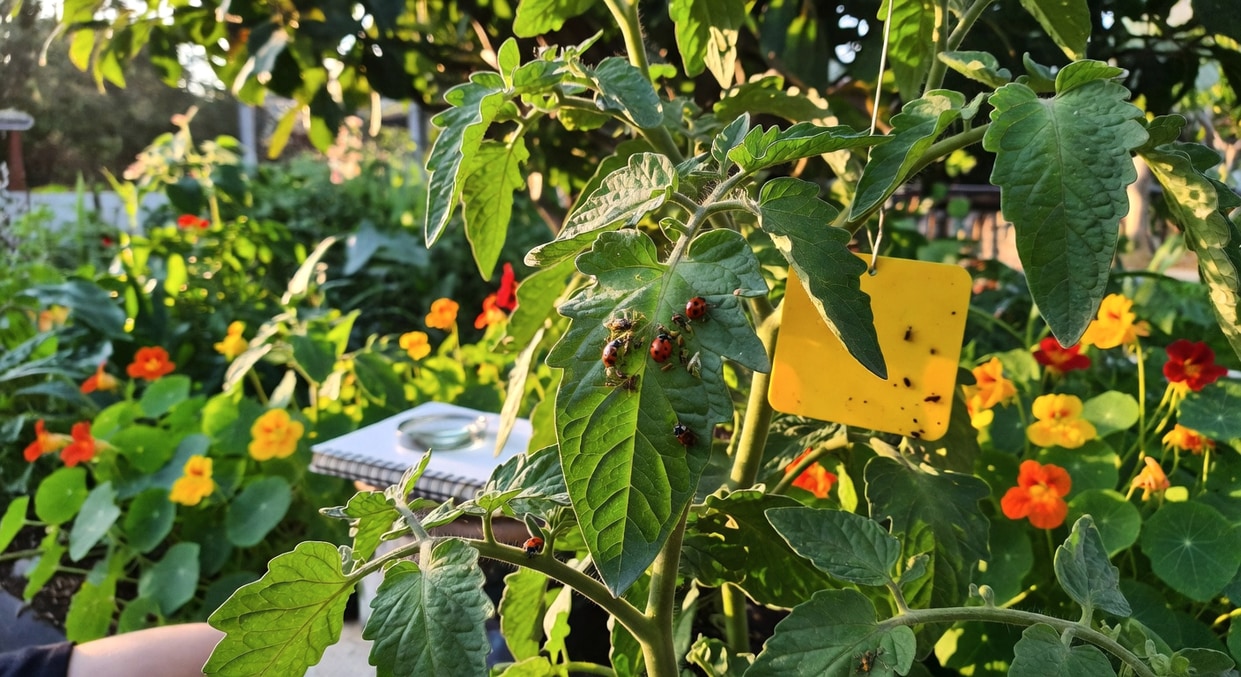
為什麼看到害蟲就噴藥反而越噴越糟?綜合害蟲管理 IPM 入門指南
許多陽台園藝者一發現葉面有蟲就立刻噴藥,這個直覺反應其實是病蟲害失控的開端。化學殺蟲劑會殺死目標害蟲,但同時也消滅瓢蟲、草蛉、寄生蜂等天然天敵,等到下次害蟲再來時,沒有天敵的陽台等於毫無防禦的開放戰場,族群爆發更快、更難收拾。